Technical Analysis of HDPE Geomembrane Weld Quality Using the ArianWeld Machine
Evaluation of Temperature, Speed, and Pressure Parameters and Their Impact on Shear and Peel Tests
Weld quality in HDPE geomembrane sheets is one of the most critical factors in landfill lining, storage ponds, industrial lagoons, and environmental protection projects. This article presents a technical analysis of the performance of the ArianWeld machine, operated by Arian Welding – Shahriar Baspar Arian in 2021, and examines the effects of three key parameters—temperature, travel speed, and roller pressure—on Shear and Peel test results.

The results indicate that optimal adjustment of these three parameters can increase weld strength by up to 25% and reduce destructive test failure rates to below 5%.
HDPE Geomembrane and the Importance of Weld Quality
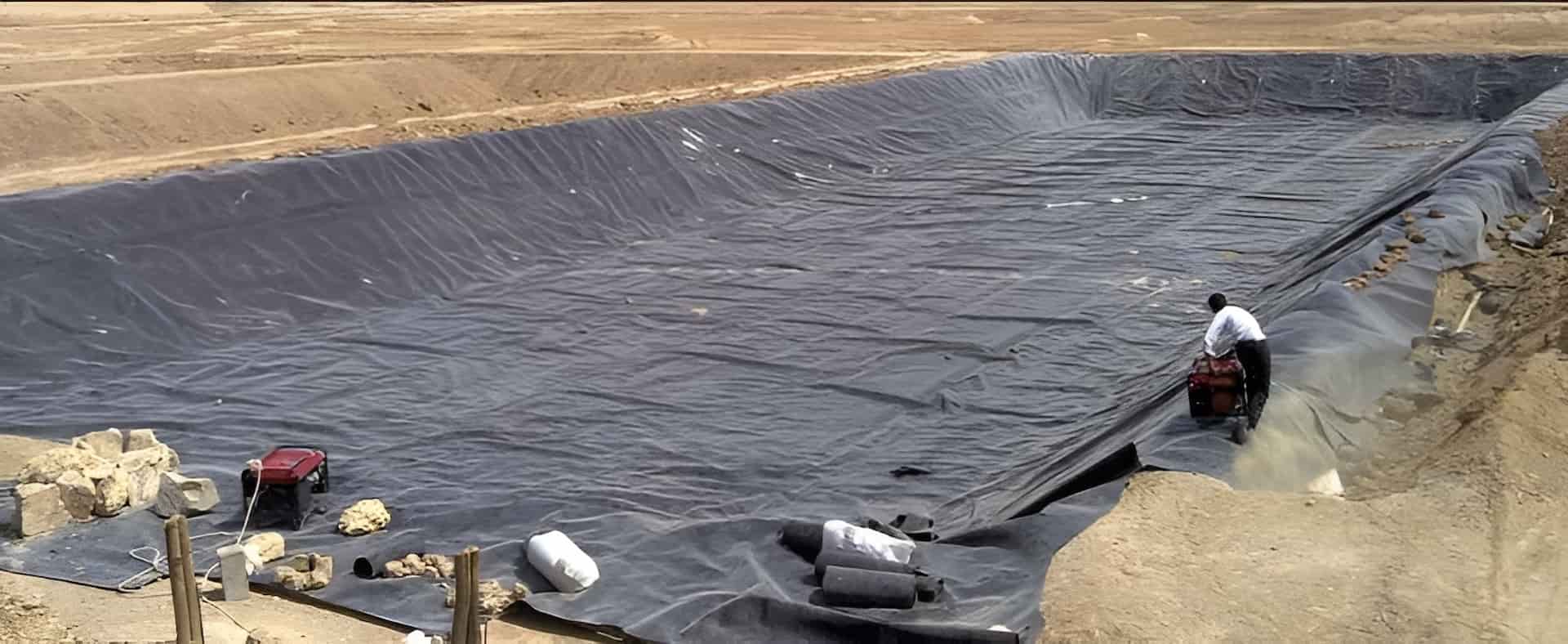
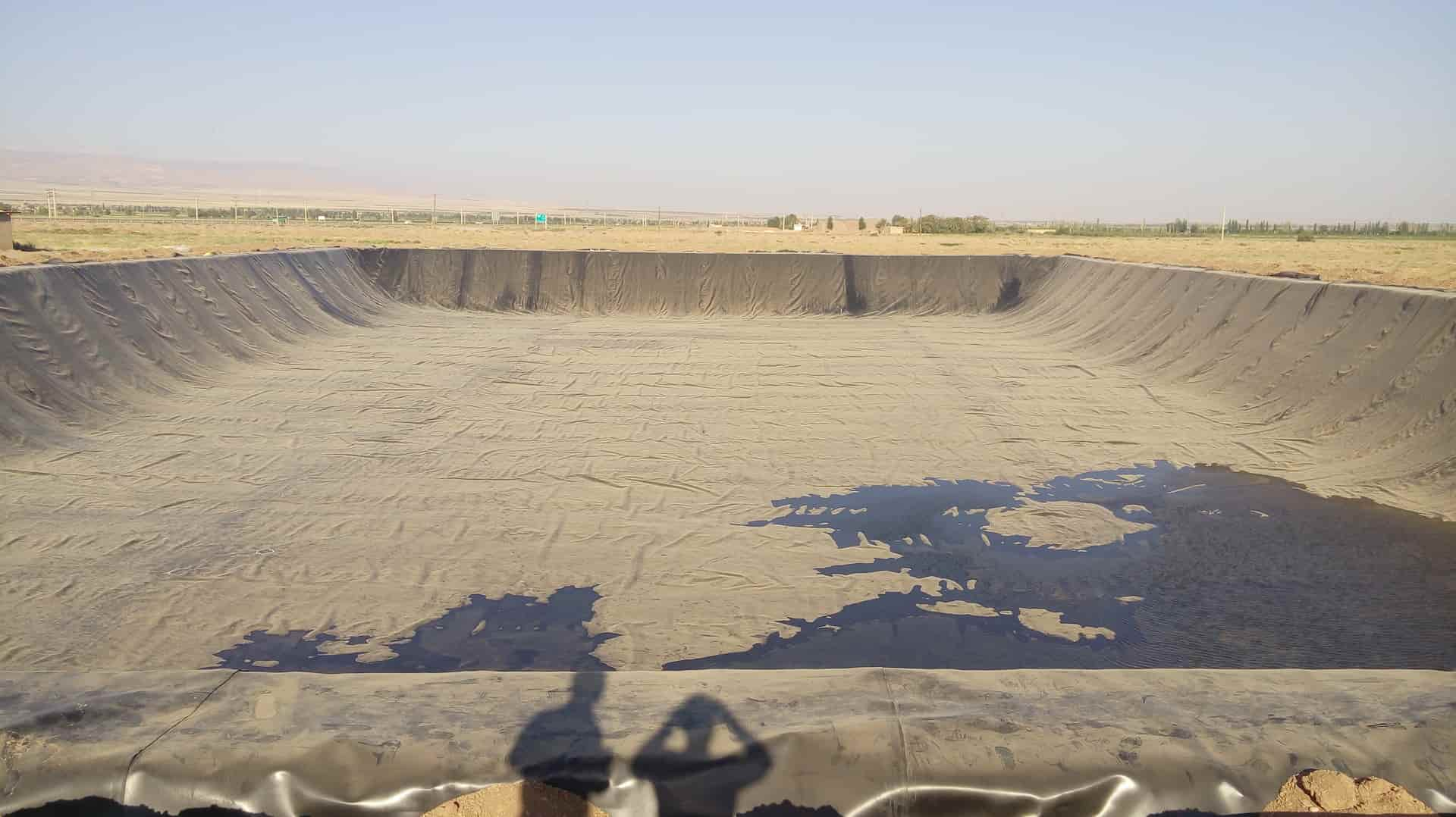
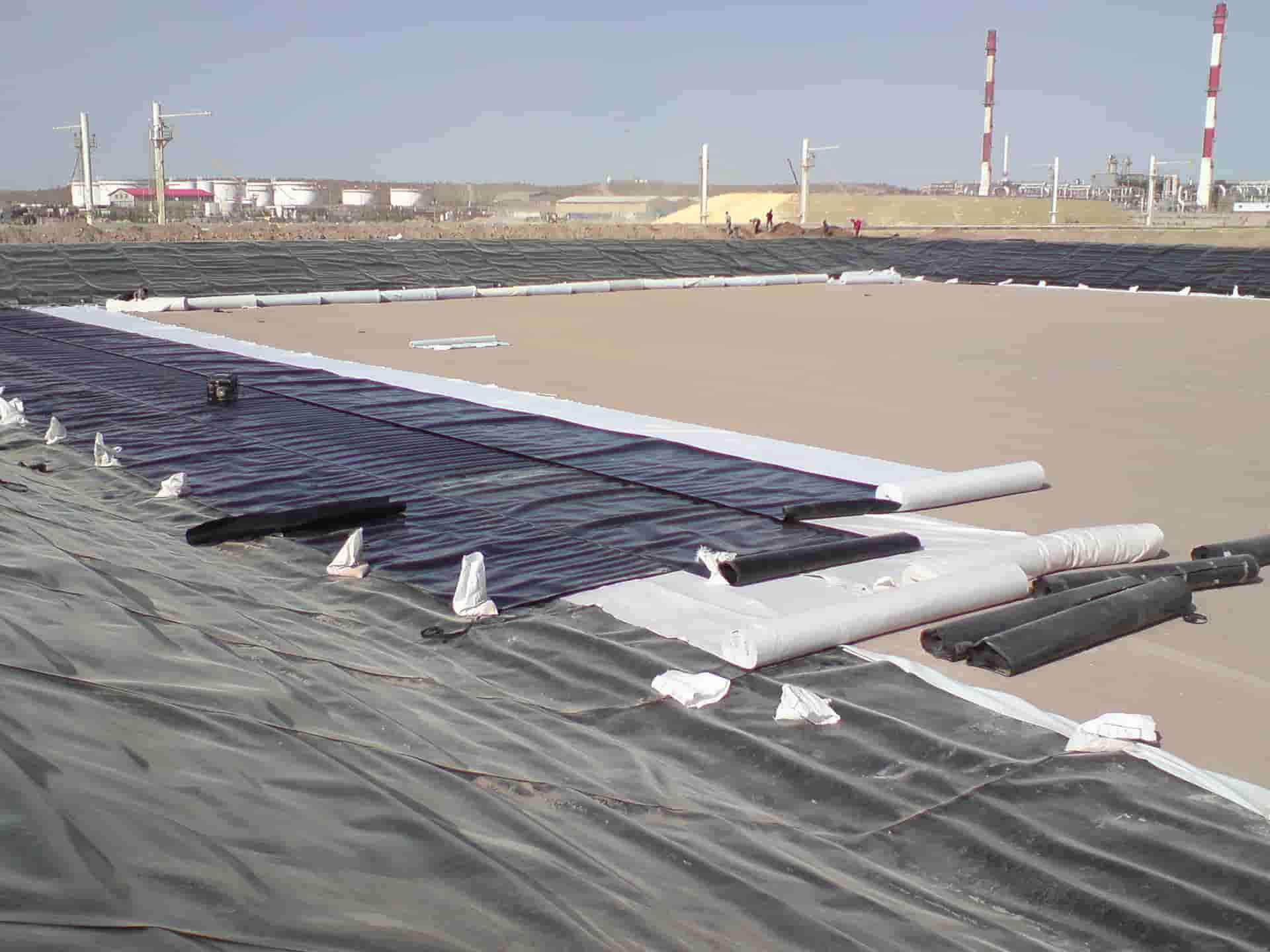
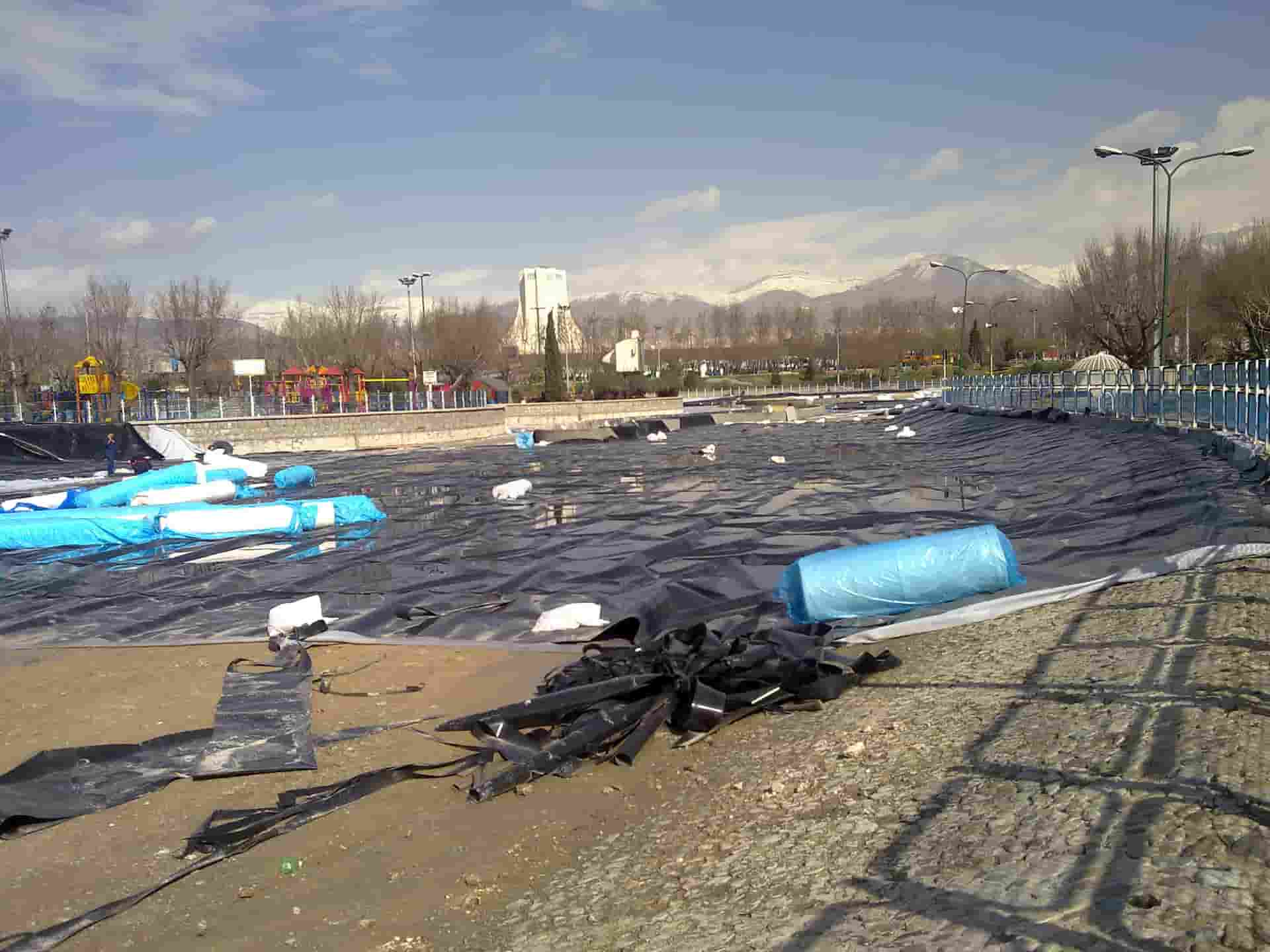
Due to its chemical resistance, durability, and excellent impermeability, HDPE geomembrane is the most widely used liner in waste containment and industrial waterproofing projects. However, the overall system performance directly depends on the quality of welded seams.
- Poor weld quality may lead to:
- Leachate leakage in landfills
- Soil and groundwater contamination
- Reduced structural service life
- Increased maintenance and repair costs
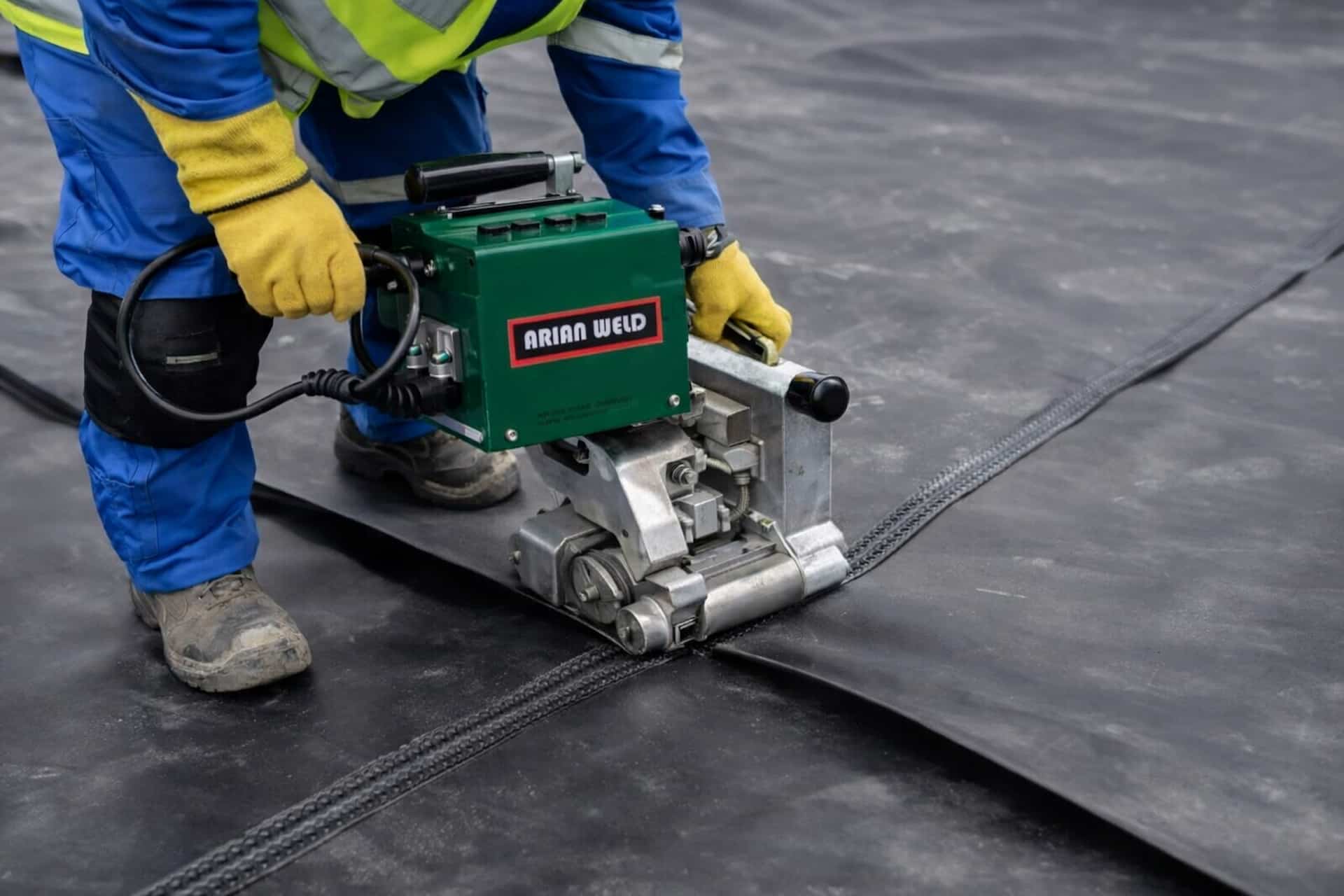
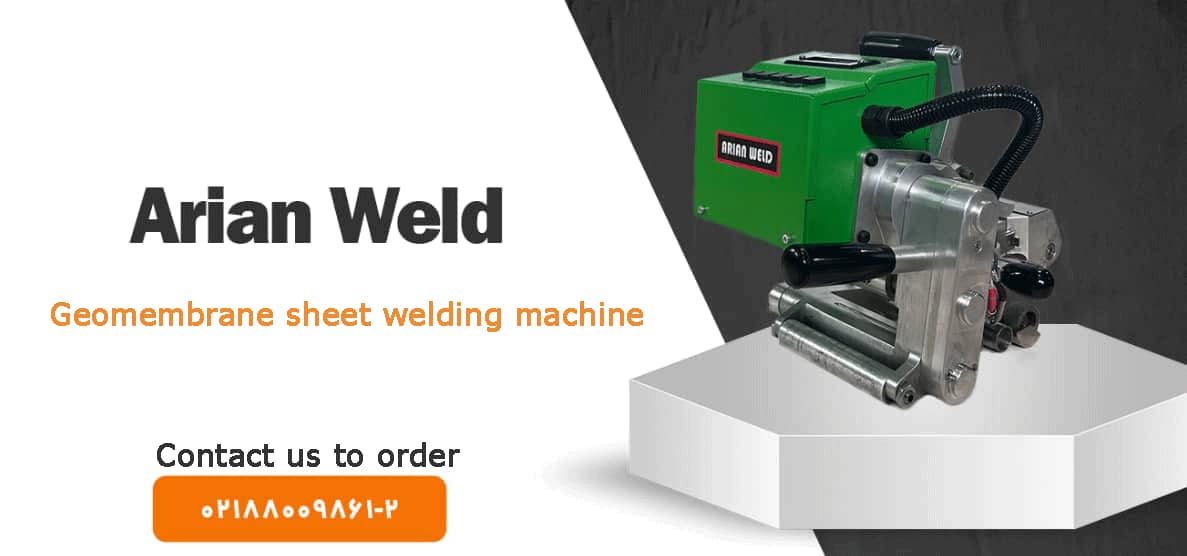
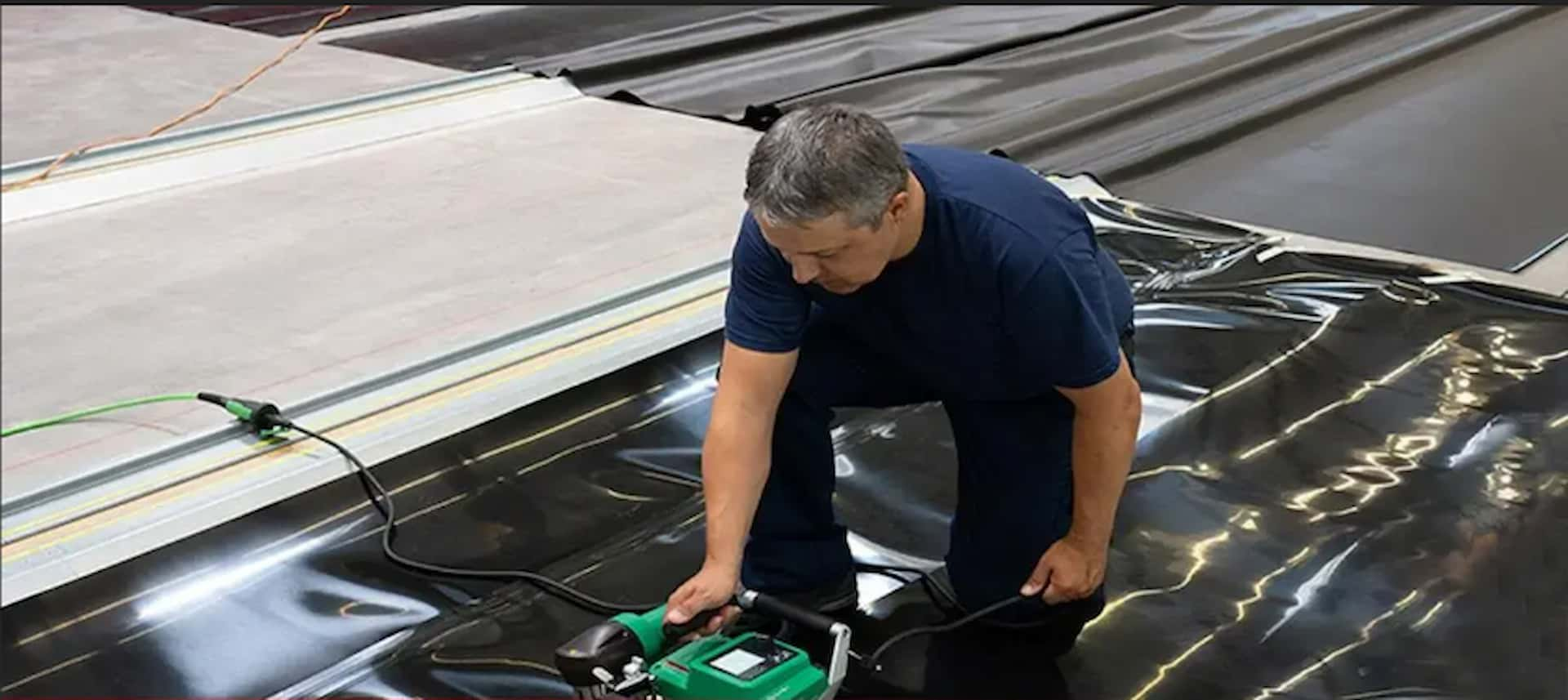
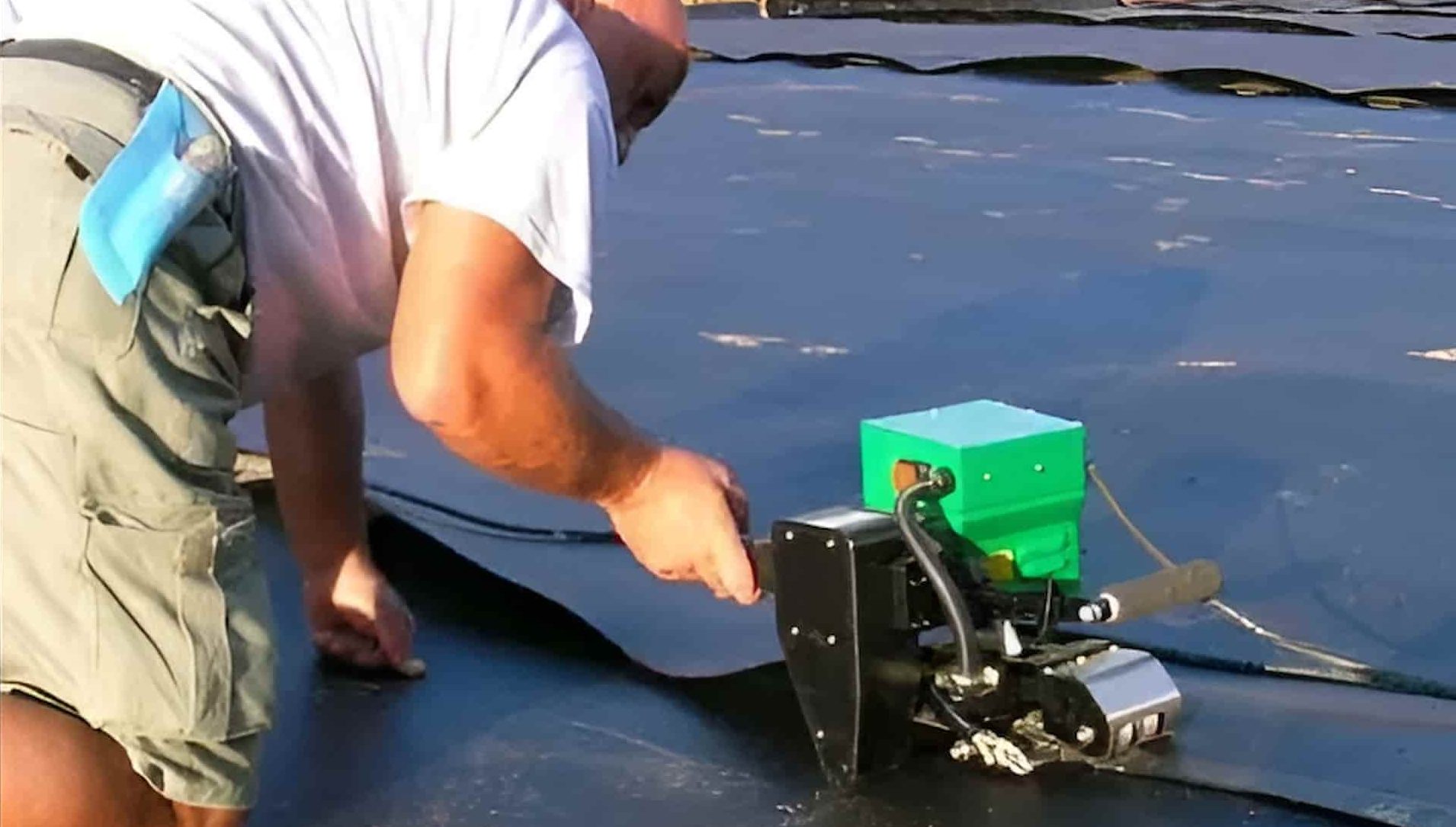
Introduction to the ArianWeld Machine – Shahriar Baspar Arian
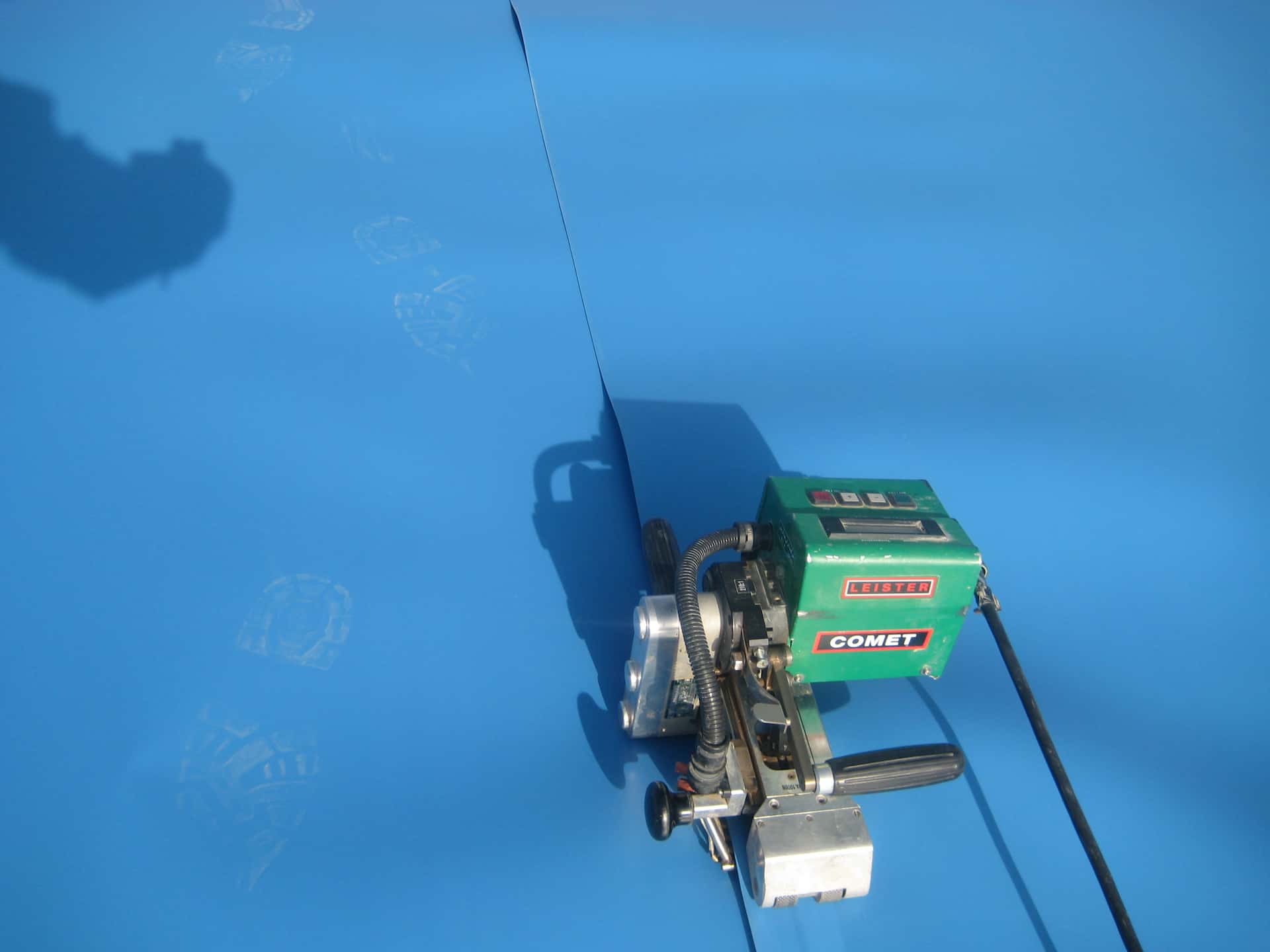
The ArianWeld machine used by Arian Welding – Shahriar Baspar Arian is a hot wedge welding device with precise control over temperature, pressure, and speed. It is optimized for welding HDPE sheets with thicknesses ranging from 1 to 3 mm.
Key technical specifications:
- Digital temperature control
- Continuously adjustable travel speed
- Calibratable pressure system
- Dual-track weld with air test channel
Parameters Affecting Weld Quality
1️⃣ Wedge Temperature
The optimal temperature range for HDPE is typically between 380°C and 450°C.
Low temperature → Incomplete melting → Reduced Peel strength
High temperature → Polymer degradation → Reduced Shear strength
In 2021 tests, temperatures between 410–420°C showed the best combined performance.
2️⃣ Welding Speed
Tested speeds: 1.5 to 3.5 m/min
High speed → Short contact time → Cold weld
Low speed → Edge overheating
Observed optimum: approximately 2.2 to 2.5 m/min
3️⃣ Roller Pressure
Insufficient pressure → Incomplete fusion
Excessive pressure → Thinning and stress concentration
The optimal pressure was determined to be 70–85% of the machine’s nominal capacity.
Analysis of Shear and Peel Test Results
Shear Test
Shear strength reflects the molecular integrity of the weld.
Under optimal settings, shear strength exceeded 95% of the base sheet strength.
Peel Test
This test is the most sensitive indicator of weld quality.
Under non-optimal conditions, failure mainly occurred at the joint interface.
Under optimal conditions, failure occurred in the sheet body (Film Tear Bond).
Summary Table of Technical Results
| Parameter | Test Range | Optimal Value | Result |
|---|---|---|---|
| Temperature | 380–450°C | 415°C | Maximum combined strength |
| Speed | 1.5–3.5 m/min | 2.3 m/min | Minimum failure rate |
| Pressure | Variable | 80% capacity | Uniform weld |
Technical Conclusion
Based on analyses conducted by Arian Welding – Shahriar Baspar Arian in 2021:
- Simultaneous adjustment of temperature, speed, and pressure is essential for consistent weld quality.
- The digital control system of the ArianWeld machine reduces human error.
- Achieving over 90% strength in Shear and Peel tests is fully repeatable.
- Proper quality control (QC) implementation minimizes leakage risks in landfill projects.
Summary of the Technical Analysis of Geomembrane Weld Quality
The technical analysis of HDPE geomembrane weld quality conducted by Shahriar Baspar Arian Company focuses on optimizing welding machine parameters—temperature, speed, and pressure—of the ArianWeld system.
Detailed evaluation of Shear and Peel tests highlights the critical importance of weld quality control in landfill projects, storage ponds, and industrial waterproofing systems.
Proper welding execution and precise control of key parameters lead to increased seam strength, reduced rejection rates, and improved structural durability. This technical analysis provides geosynthetic engineers and specialists with a comprehensive guide to quality assurance in civil and environmental projects.